
What is Mind-Body Therapy?

You've been in therapy for months. Maybe longer. You show up, you talk about your anxiety, your stress, the patterns you can't seem to break. Your therapist is skilled, caring, helpful. You've had profound insights about why you are the way you are.
And yet, you still wake up with that familiar tightness in your chest. You still can't truly relax, even when you know intellectually that you're safe. Your mind understands your triggers, but your body hasn't gotten the message.
The panic attacks still come. The exhaustion persists.
If this resonates, you're not alone. Working with clients worldwide—from Singapore to the USA to London, this is one of the most common experiences I hear: "Therapy helped me understand myself, but I still don't feel different."
Let's talk about what might be missing.
Traditional therapy works primarily with your thoughts, your memories, your emotions—all processed through language and conscious awareness. And this is valuable. Understanding yourself matters. But stress, trauma, and anxiety don't just live in your mind. They live in your nervous system, in the tension patterns held in your muscles, in your body's automatic responses to perceived threat.
This is where mind-body therapy comes in. And more specifically, an integrative approach that doesn't force you to choose between methods, but instead combines what actually works.
What is Mind-Body Therapy?
Mind-body therapy recognizes something fundamental: you are not a brain driving a body. You are an integrated system where mind and body are inseparable. What affects one affects the other. Always.
When you're anxious, it's not just worry in your head—it's shallow breathing, tense shoulders, a racing heart. When you're depressed, it's not just sad thoughts—it's heaviness in your limbs, fatigue in your bones, disconnection from physical sensation.
And here's what changes everything: you can't fully heal psychological challenges by only working with your mind.
Mind-body therapy works with both your psychology and your physiology. It includes talking, yes—processing your experiences, understanding your patterns, making sense of your story. But it also includes direct work with your nervous system, your breath, your bodily sensations, the physical manifestations of what you're carrying.
This isn't "alternative" therapy or "complementary" medicine but an evidence-based, neuroscience-informed approach that recognises how humans actually function.
Your body isn't separate from your mental health—it's central to it.
An Integrative Mind-Body Approach:
Why "Both/And" Instead of "Either/Or"
Most people get confused about therapy options. They think they have to choose:
Talk therapy or somatic work?
Psychology or coaching?
Processing the past or building the future?
For most people dealing with stress, anxiety, burnout, or trauma—you need both.
An integrative approach combines:
Traditional psychotherapy to understand your patterns, process your experiences, and work with your thoughts and emotions. This is the insight piece. The cognitive understanding. The making sense of why you respond the way you do.
Somatic and body-based techniques to work directly with your nervous system, release stored stress, and help your body feel safe enough to heal. This is the regulation piece. The embodied experience. The teaching your system new patterns.
Coaching elements (when appropriate) to help you move toward what you want, set meaningful goals, and integrate what you're learning into actual life changes. This is the forward movement piece. The application. The bridge from healing to thriving.
Most therapists specialize in one approach. You either get traditional talk therapy, or you get body-based work, or you get coaching. Rarely do you get all three integrated based on what you actually need.
At Somi Therapy, the work is truly integrative. With a M.Sc. in Psychology, specialized training in trauma-informed somatic approaches, and coaching certification from the International Coaching Federation, founder of Somi Therapy, Amanda Leah Ng work at whatever level is most helpful for you, drawing from multiple methodologies as needed.
How Mind-Body Therapy Actually Works
Traditional therapy alone often looks like this:
You come in. You sit. You talk. You explore why you feel the way you do, where these patterns came from, what thoughts are driving your anxiety. Your therapist might help you reframe negative thinking, understand your childhood influences, or develop coping strategies. This is valuable work.
But let's say you're talking about a stressful situation at work. As you describe it, your breath gets shallow. Your shoulders rise toward your ears. Your jaw clenches. Your heart rate increases slightly. Your nervous system has activated—you're in a stress response while talking about stress.
In traditional therapy, this often goes unaddressed. You keep talking. You finish the session with good insights but still holding all that physical activation. Your body is still running a stress program even though the conversation is over.
Integrative mind-body therapy looks different:
We might start the same way—you're sharing about work stress. But I'm noticing not just what you're saying, but what your body is doing.
I might gently interrupt: "Can we pause here for a moment? I'm noticing your shoulders have come up quite a bit. Are you aware of that?"
Often, you're not. This is common—we learn to operate from our heads and disconnect from body awareness.
"Let's bring some attention there. What do you notice in your shoulders right now? Can you feel the tension? What does it feel like—heavy, tight, hot?"
You tune in. You notice. And just this act of noticing often begins to shift something. Then we might explore: "What happens if you take a slow breath and let your shoulders drop just a little? No forcing, just see what shifts."
You breathe. Your shoulders release a fraction. And you might notice your whole system feels calmer. The anxious thoughts quiet down.
This is mind-body work. We're not just talking about the stress—we're working with how it lives in your body. We're giving your nervous system a direct experience of moving from activation to regulation. Over time, your body learns: "Oh, I can shift out of stress mode. I don't have to stay stuck there."
We might also use specific practices—breathwork to calm your nervous system, gentle movement to discharge stress energy, grounding techniques to help you feel present. Sometimes we process trauma through somatic approaches that work with your body's responses rather than requiring detailed verbal recounting of difficult experiences.
And when it's appropriate—especially for high-functioning professionals dealing with burnout or transitions—we might integrate coaching. Once your nervous system is more regulated, we can work on redesigning your work rhythms, setting boundaries, or pursuing goals in ways that don't recreate the stress patterns we just resolved.
Why This Matters: The Nervous System Connection
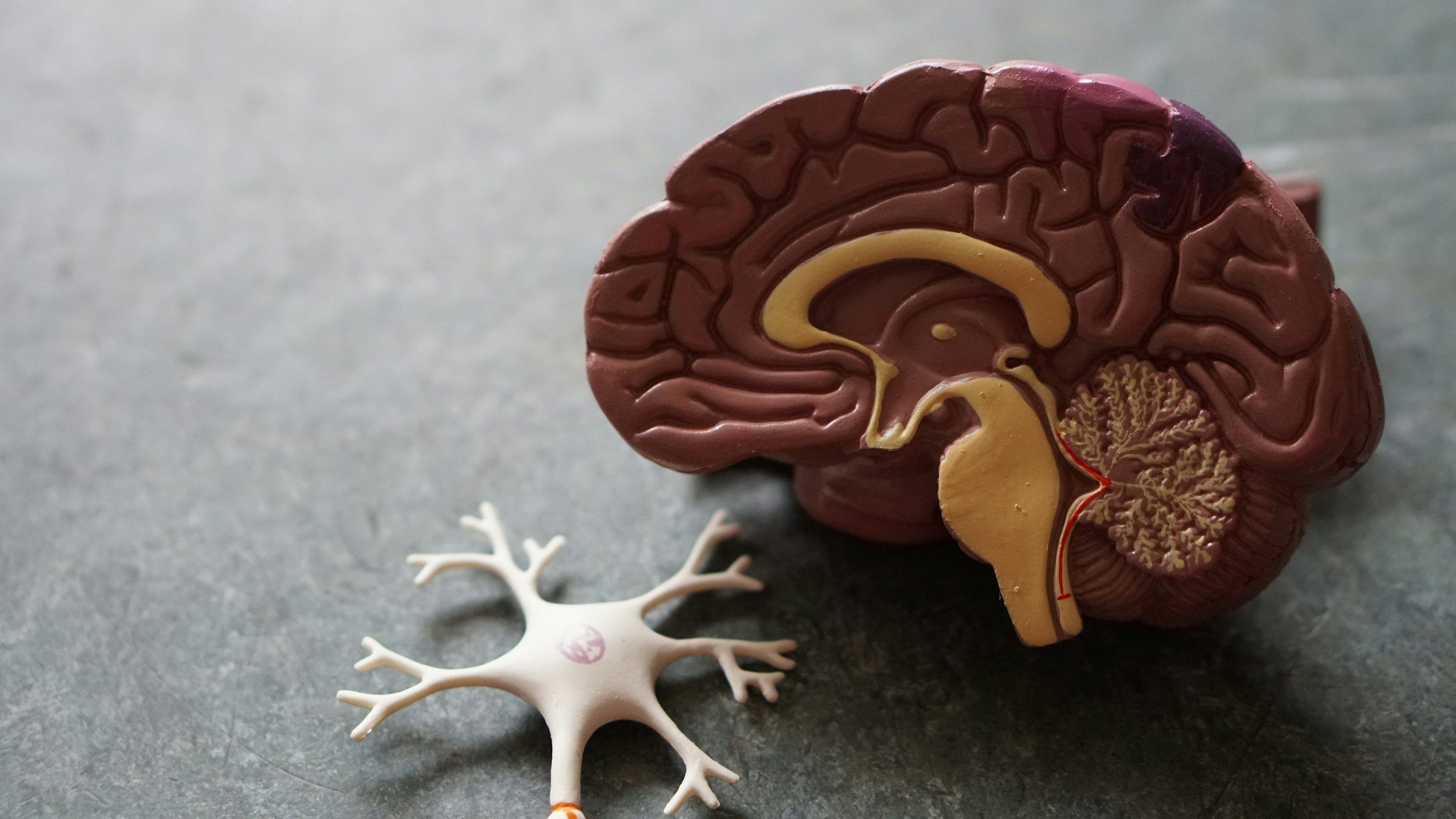
Here's the science behind why this approach works.
Your nervous system—the network of nerves and cells that carry signals throughout your body—has two main branches. The sympathetic system activates you (think: fight-or-flight). The parasympathetic system calms you (think: rest-and-digest).
In an ideal world, you'd move fluidly between these states. Activate when needed, return to calm afterward. But chronic stress, trauma, and burnout disrupt this natural rhythm. Your system gets stuck in activation, constantly scanning for threat, unable to fully rest.
This isn't something you can think your way out of. You can understand logically that you're safe, that the stressful meeting is over, that you're home now and should relax. But if your nervous system hasn't received that message—if it's still running a threat program—you'll feel anxious no matter how much insight you have.
This is why mind-body therapy is often more effective for anxiety, trauma, and burnout than traditional approaches alone. We're working at the level where the problem actually exists—your nervous system's activation patterns—not just at the level of thoughts and understanding.
What Happens in an Integrative Mind-Body Session
People often ask what a session actually looks like, but there’s no fixed structure, as each session is uniquely customised and tailored to individuals’s need.
We might spend a whole session talking—processing a difficult experience, exploring patterns, making connections between past and present. Sometimes traditional therapy is exactly what's needed.
We might spend most of a session doing body-based work—breathwork, tracking physical sensations, gentle movement, trauma processing through somatic techniques. Sometimes your nervous system needs direct regulation more than cognitive processing.
We might blend both—talking about an issue while noticing body sensations, using breath to stay grounded while discussing difficult topics, alternating between insight and regulation.
And for some clients, we integrate coaching—setting goals for how you want your life to look, creating action plans, addressing performance anxiety or career transitions alongside the therapeutic work.
The session follows what's actually helpful for you, not a rigid methodology.
Let’s take an example. A client comes in burnt out from their corporate role. Early sessions might be heavily somatic—their nervous system is so depleted that talking just makes them more exhausted. We focus on helping their body recover capacity for rest, teaching regulation practices, addressing the physical toll of chronic stress.
As they stabilise, we add more traditional processing, understanding how they got here, what patterns contributed, what childhood experiences set them up to override their limits. The insight work becomes possible once their nervous system can handle it.
Then, as healing progresses, we might shift into coaching territory, helping them redesign their work boundaries, explore career changes, or develop leadership skills that don't require self-sacrifice. The integration means they don't have to see three different professionals. It all happens in one therapeutic relationship.
Who Benefits Most from Mind-Body Integrative Therapy
While anyone can benefit from this approach, certain experiences respond particularly well to integrative work.
You might especially benefit if you:
Have tried traditional therapy and felt stuck. If you've gained insights but haven't felt different, if you understand your patterns but can't change them, the missing piece is often body-based regulation. Adding somatic work to cognitive understanding creates more complete healing.
Experience chronic anxiety or panic. When anxiety lives in your body—racing heart, shallow breath, constant physical tension—working directly with your nervous system is often more effective than only trying to think differently. I work with clients across time zones who've found that body-based regulation is what finally helped them feel calm.
Are dealing with burnout. Burnout is fundamentally a nervous system issue. Your stress response system has been activated for so long that it's moved into exhaustion or shutdown. Talk therapy alone often isn't enough—you need to help your body recover its capacity for both activation and genuine rest. Integrative work addresses both the psychological factors that led to burnout and the somatic recovery your system needs.
Live with trauma, whether recent or from the past. Trauma gets stored in your nervous system and body memory. Somatic approaches are often gentler and more effective than traditional trauma processing because they work at the level where trauma actually lives—in your body's stress responses. This might include developmental trauma from childhood, acute trauma from specific events, or complex trauma from ongoing difficult circumstances.
Have physical symptoms without clear medical cause. Chronic headaches, digestive issues, unexplained pain, persistent fatigue—when medical tests come back normal but you don't feel normal, the issue is often nervous system dysregulation manifesting as physical symptoms. Mind-body therapy addresses the root rather than just managing symptoms.
Can't relax even when you try. If your body won't let you rest, if switching off feels impossible, if you're always "on"—this is your nervous system stuck in activation. Body-based regulation practices can teach your system how to downregulate, while cognitive work helps you understand why you learned to stay hypervigilant.
Are a high-achiever experiencing imposter syndrome or perfectionism. These often have both cognitive and somatic components. Cognitively, you might have beliefs about needing to be perfect to be worthy. Somatically, your nervous system learned that performance equals safety. Integrative work addresses both levels, and can include coaching elements to help you perform well without the anxiety.
The Modalities Within Mind-Body Integrative Therapy
Let me be specific about what "integrative" actually means in practice. At Somi Therapy, we draw from multiple evidence-based approaches:
Somatic techniques including body awareness, tracking physical sensations, and practices from Somatic Experiencing. This helps process trauma, release stored stress, and regulate your nervous system. It's gentle work that follows your body's pace.
Trauma-informed approaches rooted in understanding how trauma affects the nervous system. This includes working with your stress responses, addressing how past experiences live in your body, and creating safety for processing difficult material. Influenced by training in Gabor Maté's Compassionate Inquiry methodology.
Traditional psychotherapy including cognitive processing, emotional awareness, insight-oriented work, and evidence-based talk therapy approaches. Because understanding yourself, your patterns, and your story matters for healing.
Breathwork and nervous system regulation using specific breathing patterns that activate your body's calming response. This includes practices to shift out of fight-or-flight, manage anxiety in the moment, and build long-term resilience.
Coaching integration for clients who want support not just healing from past wounds, but building toward future goals. This might include leadership development, career transitions, performance without burnout, or life design.
The beauty of integration is you don't have to choose. We use what works for your specific situation.
Mind-Body Therapy vs Traditional Therapy:
What's the Difference?
Let me clarify the distinction without suggesting one is better than the other—they serve different purposes.
Traditional therapy works primarily through conversation. You discuss your thoughts, feelings, memories, and patterns. Your therapist might help you reframe negative thoughts, process past experiences, understand behaviors, or develop coping strategies. The healing happens through insight, awareness, and cognitive change.
This is effective for many people and many issues. If you're navigating a difficult decision, processing grief, working through relationship dynamics, or addressing certain types of depression, traditional therapy can be powerful.
Mind-body therapy includes talking, but also brings direct attention to your body's experience. We notice physical sensations, work with breath and movement, track nervous system activation, and help your body release stored stress. The healing happens through both awareness and embodied experience.
This is often more effective when the issue is rooted in your nervous system—chronic anxiety, trauma, burnout, panic attacks, stress-related physical symptoms, or when traditional therapy provided insights but didn't create change.
Integrative mind-body therapy combines both, plus adds coaching elements when appropriate. You get cognitive understanding and nervous system regulation and forward movement, tailored to what you need.
Many of my clients have tried traditional therapy before coming to Somi Therapy. They valued what they gained—the insights, the understanding, the therapeutic relationship. But something was missing. Adding the body piece often completes what talk therapy alone couldn't finish.
What Makes an Integrative Approach Different
The difference isn't just using multiple techniques. It's the philosophy that healing happens at multiple levels simultaneously.
Cognitive level: Understanding your patterns, processing your experiences, making meaning of your story.
Somatic level: Regulating your nervous system, releasing physical holding patterns, teaching your body safety.
Behavioral level: Creating actual changes in your life, setting boundaries, redesigning unsustainable patterns.
Relational level: Healing happens in relationship—the therapeutic relationship becomes a space where you experience being seen, accepted, and supported while learning new ways of being.
Most therapy focuses on one or two of these levels. Integrative work addresses all of them, adapting based on where you need support most.
And because I work with clients worldwide via secure video sessions, location doesn't limit access. Whether you're in Singapore, across Asia, in Europe, or North America, the work is available. Your nervous system doesn't care about geography, and neither does healing.
How to Know if Mind-Body Integrative Therapy Is Right for You
You don't need everything figured out before reaching out. But here are some signs this approach might be particularly helpful:
If you've tried traditional therapy and felt something was missing. If you experience physical symptoms tied to stress or anxiety. If you can't seem to relax no matter how hard you try. If you're dealing with trauma and traditional processing felt too overwhelming. If you're burnt out and rest alone isn't helping you recover.
If you're a high-achiever struggling with perfectionism or imposter syndrome. If you want both healing from past patterns and support building toward future goals. If you're navigating a major transition and need therapeutic support plus practical guidance.
The best way to know if this fits you? Start with a conversation.
In a consultation, we discuss what you're experiencing, and I'll be honest about whether integrative mind-body therapy makes sense for you or if another approach might serve you better.
Ready to Try Something Different?
If traditional therapy left you feeling like something was missing, if you're dealing with challenges that live in both your mind and your body, if you want an approach that works with all of you—not just your thoughts—integrative mind-body therapy might be what you've been looking for.
You don't have to commit to anything right away. Book a free consultation to discuss what you're experiencing and whether this integrative approach could help.
Frequently Asked Questions about Mind-Body Therapy
-
Traditional therapy works primarily through conversation and cognitive processing. Mind-body therapy includes talking but also works directly with your body's sensations, breath, nervous system, and physical responses. Integrative mind-body therapy combines both approaches, using what's most helpful for your specific situation.
-
Yes. I work with clients worldwide via secure video sessions. The approach translates well to remote work—you're in your own space (which can feel safer), and I can guide you through body-based practices wherever you are. The effectiveness isn't diminished by distance.
-
Somatic therapy is one modality within mind-body therapy. At Somi Therapy, we use somatic techniques as part of a broader integrative approach that also includes traditional psychology, trauma-informed work, and coaching elements. You get somatic regulation plus cognitive understanding plus forward-focused support.
-
This varies by person and issue. Some clients notice shifts in nervous system regulation within a few sessions. Others need longer-term work, especially for complex trauma or chronic burnout. Short-term support (3-6 months) works well for specific issues. Deeper pattern work might take 6-12+ months. We'll discuss realistic timelines in your consultation.
About the Author:

Amanda Leah Ng,
Founder of Somi Therapy (Formerly Mind to Matter)
Amanda is a trauma-informed psychologist and somatic therapist specializing in anxiety, burnout, and nervous system regulation. She holds an M.Sc. in Psychology from King's College London and integrates mind-body therapy with performance coaching to help high-achievers thrive. Based in Singapore, she serves clients remotely worldwide.
